Seco Tools
A combination of green electricity and renewable energy certificates in the U.S. and India have enabled Seco Tools to reach its 2030 emission targets a full nine years ahead of schedule, with the added benefit of cost savings for the business.
The Seco focus on making all aspects of its business more sustainable led to a comprehensive review of the company’s energy requirements, and when the time came to renew contracts with suppliers for the site in Reynoldsville, Pennsylvania, green energy was to the fore. Studies have shown that Reynoldsville is responsible for around 10% of the global electricity requirement for Seco and 19% of its climate impact from electricity, so changes made there would have a profound effect on the company’s global footprint. “We purchased renewable energy certificates (RECs), which allow us to offset our CO2 footprint,” says Eric Sirianni, Generic Sourcing at Seco in Reynoldsville.
“The process started for us in 2019, and previously we were only concerned with getting electricity at the cheapest price we could get it – when we turn on the light switch, the power is going to come on no matter who we buy the electricity from. There wasn’t really a template, we were just asked to look at green energy the next time we were hedging electricity. Green energy costs more, but we have a CO2 goal and from there it just took off. We were able to hedge our electricity while layering in 100% green credits, and still lower the price – once people saw that, people took notice,” Sirianni adds.
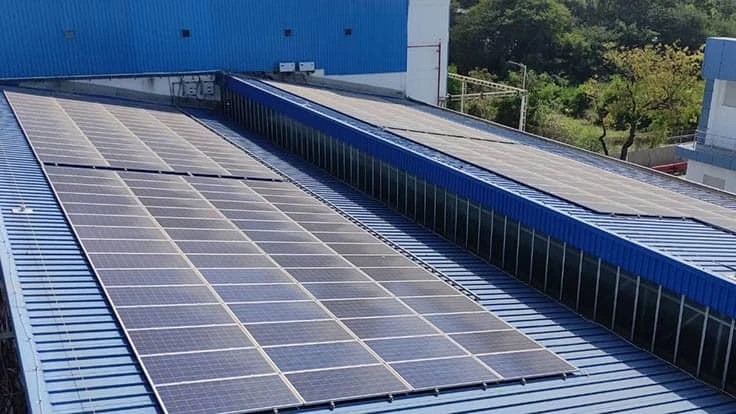
RECs allow companies to invest in energy from renewable sources even though those sources may be located elsewhere. The next step will be for Seco sites elsewhere to investigate solutions such as on-site electricity generation through solar panels and geothermal heating. “Everyone is committed to work towards these emissions targets and promoting the use of green energy, and apart from the RECs, we have also installed solar panels to power our strip lights and so on, which is approximately 4% of our production,” says Nagesh Shekhadar, general manager for Indirect Purchasing in Pune, India.
“Each of our locations can tell us the breakdown of the kind of power they use each month, and it varies depending on where you’re located,” Sirianni says. “From a company perspective, it’s the right thing to do. The first reaction is always ‘why should we spend the money?’ It’s tough to adjust that mindset, but once they come around, who is going to say no to helping the environment?”