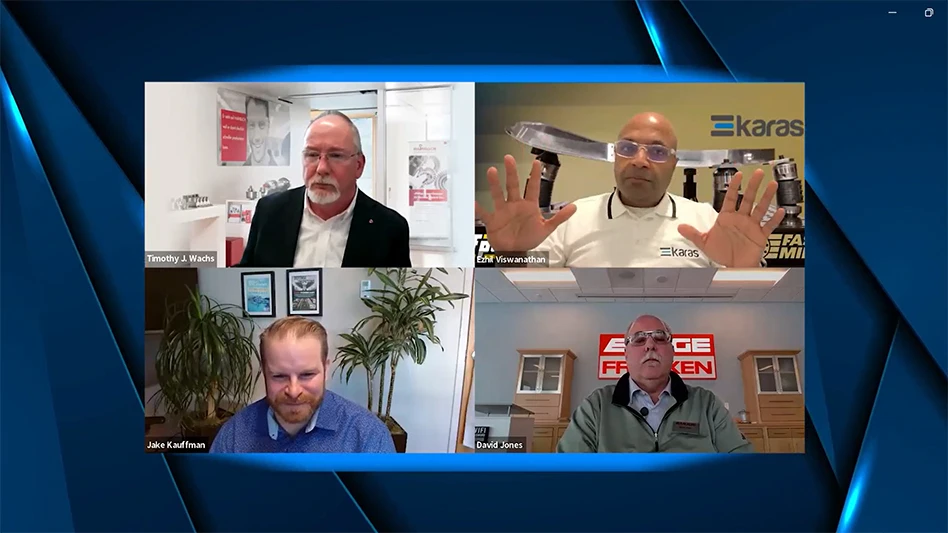
Photo credit Eric Brothers
A highlight of the air show season, the Royal International Air Tattoo (RIAT), traditionally occurs in July, and during even-numbered years, it’s the weekend before the Farnborough International Airshow. Those attending that latter trade event should consider making plans to attend RIAT as well – at least biennially. Tickets for the three days sell out well in advance, so book early.
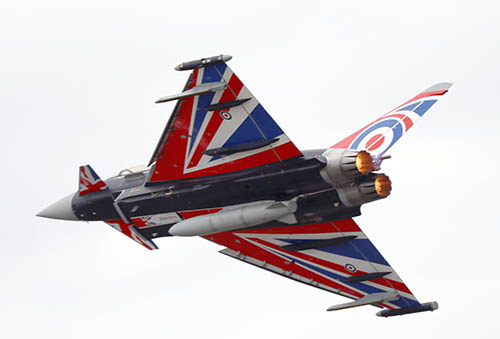
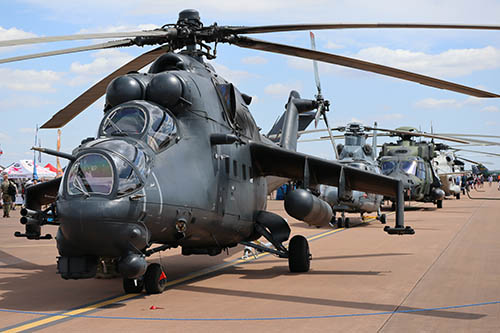
RIAT returned for the first time in three years to the RAF base at Fairford, Gloucestershire, UK. Billed as the world’s biggest military airshow, RIAT features aerial demonstration teams from around the world, plus plenty of static aircraft representing a similar wide selection of global air forces. Additional attractions include a fairground, numerous vendor tents, and options for grandstand and reserve seating, including specially catered meals. The latest edition of RIAT continued the excellent heritage of air shows that existed prior to the pandemic.
Additionally, RIAT committed to becoming a more sustainable event.
The RAF Charitable Trust Enterprises (the show’s organizer) has already started making positive changes with the support of its sponsors, suppliers, and exhibitors.
“We recognize that improving our sustainability is essential if the young people of today are going to have the opportunity to find their place in the world of aviation tomorrow,” said Paul Atherton, RIAT CEO.
In its commitment to making real, measurable reductions to the carbon footprint of RIAT, the organization implemented ISO 20121, the International Standard on Sustainable Event Management, to help it to do this effectively.
Kate McKinley, who headed sustainability activity at the event, said for the first time, they measured the impact of number of cars in car parks, aircraft flying hours, and amount of food waste generated.

All catering outlets present at the event were asked to use recyclable and plant-based packaging materials only, and food waste from the staff and volunteer diner were reduced through detailed planning and anticipation of demand.
Plans called for all waste to be sorted at a materials recycling plant, with anything unable to be recycled taken to a waste-to-energy plant. Any food waste was to be repurposed at an anaerobic digestion plant. Nothing was to go to a landfill.
Generators at RIAT were fueled with 100% hydrotreated vegetable oil instead of diesel, and a solar and a hybrid generator were also on site.
The RAF Charitable Trust Enterprises recognizes changes to their event operations are the first stage of an important journey. Once it has monitored and measured all aspects of the event and analyzed the results, the organizers said they look forward to drawing up a strategy for long-term reductions in the event’s impacts and intend that RIAT will become a platform for innovations in aviation sustainability.

A primary fundraising event for the RAF Charitable Trust, RIAT helps the charity support young people with opportunities for personal development, learning, and discovering their place in the worlds of aviation and science, technology, engineering, and math (STEM) education.
This show marked the first time in 10 years the Black Eagles display team from the Republic of Korea visited the UK.
With more than 200 aircraft, full days of flying displays, and immersive activities throughout the showground, RIAT offers people a place to experience cutting-edge technologies and phenomenal piloting skills.
Latest from Aerospace Manufacturing and Design
- Archer to test Starlink onboard its Midnight air taxis
- System eliminates cage-creep in sliding bearings
- Bodo Möller Chemie signs worldwide supply contract with Airbus
- Sandvik Coromant's CoroTurn Plus turning adapter
- ZOLLER Technology Days & Smart Manufacturing Summit May 13-14, 2026 in Ann Arbor, Michigan
- Walter's TC620 Supreme multi-row thread mill family
- ThermOmegaTech achieves CMMC Level 2 C3PAO certification
- One-touch precision flex locators