Photo credit: Spirit AeroSystems
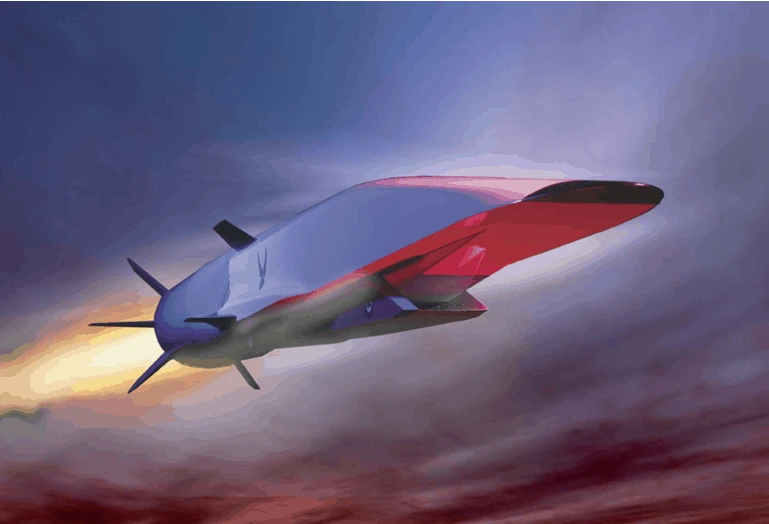
The development of hypersonic flight systems, though around for decades, is now a top defense priority in the United States, bringing the field into a rapid state of growth and change. Being a unique, multi-disciplinary field, the challenge is sourcing experts who possess the necessary skill sets to promote its growth. However, when there aren’t enough experts, it creates innovation gaps, such as keeping design for manufacturability (DFM) top-of-mind at the R&D stage, translating to manufacturing gaps later on when it’s too late to make cost-efficient changes.
Consortiums, such as the newly established University Consortium for Applied Hypersonics (UCAH), provide an important setting for cultivating the talent needed to advance the field. Students can collaborate directly with university researchers and industry professionals to develop technologies and advance crucial hypersonics research.
Read the full article now!
Consortiums, such as the newly established University Consortium for Applied Hypersonics (UCAH), provide an important setting for cultivating the talent needed to advance the field. Students can collaborate directly with university researchers and industry professionals to develop technologies and advance crucial hypersonics research.
Read the full article now!
Latest from Aerospace Manufacturing and Design
- The power of the plasma pen: Revolutionizing adhesion in aerospace manufacturing
- Mazak will show shops how to drive production at Dallas Open House
- Heavy-duty pneumatic flex locators
- Tacky Tape vacuum bag sealing tapes for aerospace composites continue a legacy
- Embraer’s Phenom 300 series is best-selling light jet for 14th consecutive year
- Expanded PushPull connector portfolio
- AEC is Meltio’s official sales partner
- Coolant-thru options for straight, 90-degree, universal live tools