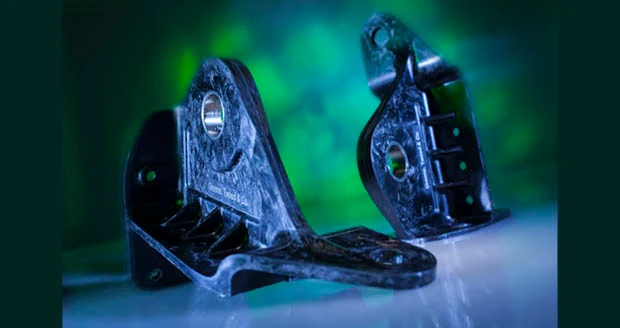
Kulpsville, Pennsylvania – Greene, Tweed has commissioned additional state-of-the art composites manufacturing equipment to support the ongoing growth of production program awards for components produced from Xycomp DLF discontinuous long fiber thermoplastic composites.
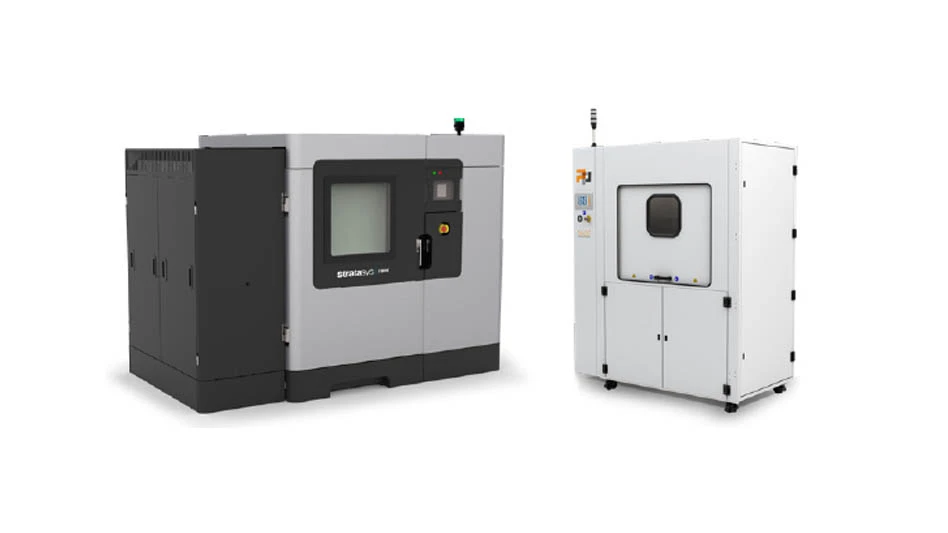
The new equipment includes another highly automated ProFusion compression molding line and a dedicated advanced machining center – both of which are fully operational in Greene, Tweed’s Kulpsville, Pennsylvania composites production center.
The additional molding line incorporates high pressure/high temperature capability for near-net compression molded PEEK and PEKK-based DLF thermoplastic composite materials. Bar code scanning for process parameter input and automated mold/material handling are among the features included in all of Greene, Tweed’s ProFusion lines, delivering a high level of process control that ensures repeatability and reliability.
Greene, Tweed’s fully automated, 5-axis advanced flexible manufacturing system (FMS) machining center was installed to increase composite machining capabilities that support DLF component manufacture. The machining center delivers increased precision for higher tolerances and improved quality capability. Automated tool change-overs and automated palletized loading are additional features incorporated for high-volume lean manufacturing of complex-shape composite parts.
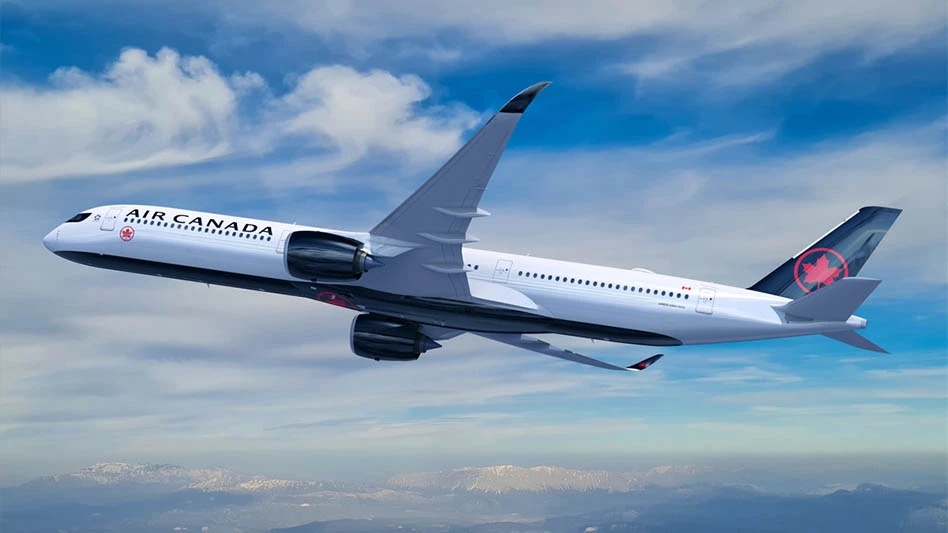
The new molding and machining equipment is currently manufacturing components for service on Airbus A350, A380, A320neo; Boeing 787 and 777; and Bombardier C-series aircraft.
“We made this investment in new manufacturing equipment to increase our capacity for future efforts and to deliver on the near-term schedule, cost, and quality expectations of our aerospace customers. As production rates continue to ramp up on new aircraft platforms, Greene, Tweed is ready to deliver,” explains Aaron Godwin, composites process engineering lead at Greene, Tweed.
Metal replacement weight savings from 35% to 50%, elimination of material waste and reduction of secondary operations with net-molding, and part-count reduction through redesign and consolidation of multiple existing parts into single DLF composite parts are a few of the improvements possible.
Produced using thermoplastic-matrix materials, Xycomp DLF products also can be recycled and remolded at the end of service for use in other applications, supporting environmental goals.
Source: Greene, Tweed
Latest from Aerospace Manufacturing and Design
- The power of the plasma pen: Revolutionizing adhesion in aerospace manufacturing
- Mazak will show shops how to drive production at Dallas Open House
- Heavy-duty pneumatic flex locators
- Tacky Tape vacuum bag sealing tapes for aerospace composites continue a legacy
- Embraer’s Phenom 300 series is best-selling light jet for 14th consecutive year
- Expanded PushPull connector portfolio
- AEC is Meltio’s official sales partner
- Coolant-thru options for straight, 90-degree, universal live tools