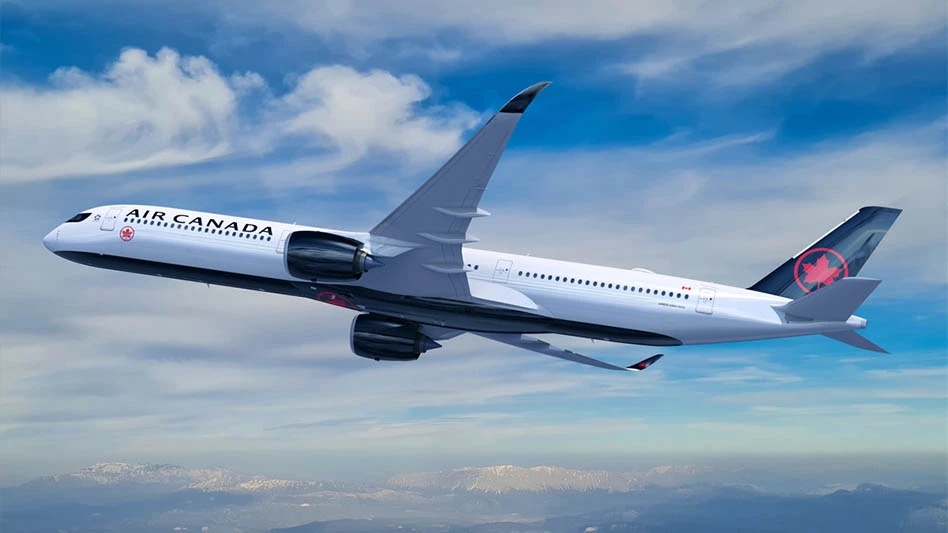
The European aerospace group will revert to conventional nickel-cadmium batteries for the A350. The plane is a wide-body long-range jet rival to the 787 and is expected to make its first flight around the middle of the year.
Airbus says it does not expect the battery switch to delay the A350's schedule.
Lithium batteries are lighter and can store more energy than other types of batteries of an equivalent size, and manufacturers view them as an important way to save on fuel costs. But the batteries are also more likely to short circuit and start a fire than other batteries if they are damaged, if there is a manufacturing flaw or if they are exposed to excessive heat.
Federal officials grounded the 787 last month because of problems with its lithium-ion batteries that caused one fire and forced another plane to make an emergency landing.
"Airbus considers this to be the most appropriate way forward in the interest of program execution and A350 XWB reliability," spokeswoman Mary Anne Greczyn says.
Airbus noted the A350 uses batteries in a different setup than the 787, making it unlikely that it would face the same problems. Its A350 flight-test program would still go forward with lithium-ion batteries.
Latest from Aerospace Manufacturing and Design
- The power of the plasma pen: Revolutionizing adhesion in aerospace manufacturing
- Mazak will show shops how to drive production at Dallas Open House
- Heavy-duty pneumatic flex locators
- Tacky Tape vacuum bag sealing tapes for aerospace composites continue a legacy
- Embraer’s Phenom 300 series is best-selling light jet for 14th consecutive year
- Expanded PushPull connector portfolio
- AEC is Meltio’s official sales partner
- Coolant-thru options for straight, 90-degree, universal live tools