PHOTOS CREDIT: 123RF
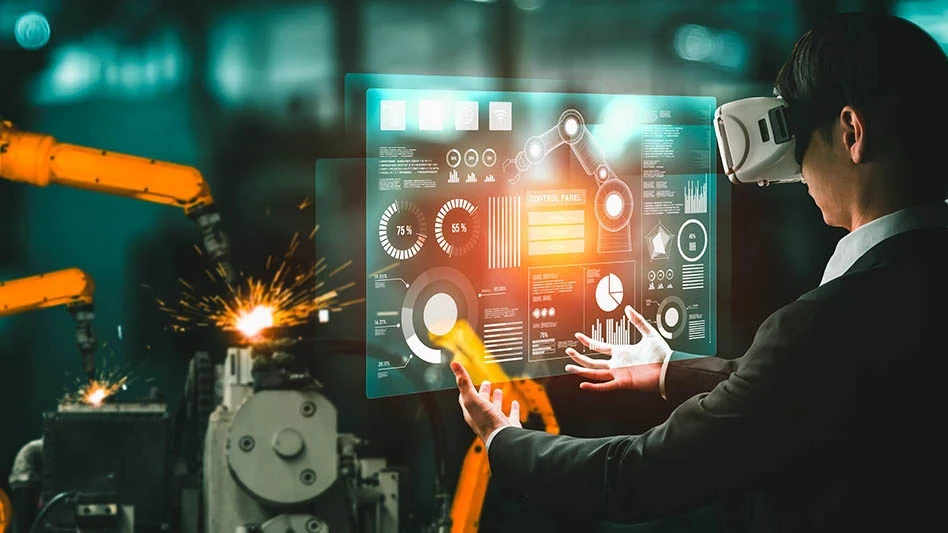
The rapid evolution of artificial intelligence (AI) is impacting a variety of industries and even caused tech mogul Elon Musk to sound the alarm and warn that if not properly reined in, AI advancement could ultimately lead to “civilizational destruction.” Despite the warnings, AI (in one form or another) is here to stay. As such, its effects on industries such as aerospace manufacturing will grow more pronounced in the coming years.
Mordor Intelligence, in an analysis of AI and robotics in aerospace and defense (A&D), reports the AI market is expected to grow by a compound annual growth rate (CAGR) of 7.5% from 2023 to 2028, increasing from $29.67 billion this year to $42.60 billion by the end of the period. As its usage grows, AI has had myriad impacts on the industry ranging from good to bad to downright awful. For instance, AI has increased manufacturing efficiency, which is good. But it’s also raised ethical dilemmas, which is bad, and produced security risks with the potential to produce some truly awful situations for companies. These wide-ranging effects highlight the need for aerospace firms to strike the right balance in AI adoption to maximize benefits and minimize risks.
Learn more about the risks, consequences, and benefits of AI, plus strategies for AI implementation.
Latest from Aerospace Manufacturing and Design
- The power of the plasma pen: Revolutionizing adhesion in aerospace manufacturing
- Mazak will show shops how to drive production at Dallas Open House
- Heavy-duty pneumatic flex locators
- Tacky Tape vacuum bag sealing tapes for aerospace composites continue a legacy
- Embraer’s Phenom 300 series is best-selling light jet for 14th consecutive year
- Expanded PushPull connector portfolio
- AEC is Meltio’s official sales partner
- Coolant-thru options for straight, 90-degree, universal live tools