1. AI & autonomy in robotics
Robots using artificial intelligence (AI) to work independently are becoming more common. Analytical AI helps process large datasets, detect patterns, and provide actionable insights. Generative AI creates new outputs and enables robots to learn new tasks autonomously and generate training data through simulation.
Agentic AI combines analytical AI for structured decision-making and generative AI for adaptability.
2. Robots gain versatility as IT meets OT
The convergence of Information Technology (IT) data-processing power and Operational Technology (OT) physical control capabilities enhances robotics versatility through real-time data exchange, automation, and advanced analytics while creating a seamless flow of data between digital and physical worlds.
3. Humanoids to prove reliability and efficiency
Humanoid robots are promising where flexibility is required, such as environments designed for humans (warehousing and manufacturing). Competing with traditional automation, humanoid robots must match requirements in cycle times, energy consumption, and maintenance costs. Industry standards must define safety levels, durability criteria, and consistent performance needed on the factory floor. To fill labor gaps, humanoids must achieve human-level dexterity and productivity.
4. Safety and security in robotics
Robots operating alongside humans must function safely. AI-driven autonomy makes testing, validation, and human oversight more complex but more necessary. Robotic systems must be designed and certified in line with ISO safety standards and clearly defined liability frameworks.
A rise in hacking attempts targeting robot controllers and cloud platforms – enabling unauthorized access and potential manipulation of the sensitive data they collect – is prompting calls for clear frameworks to govern AI deployment.
5. Robots as allies in tackling labor gaps
Employers are struggling to find people with specialized skills. A key strategy for addressing this issue is to adopt robotics and automation.
Close cooperation with employees in implementing robots plays a crucial role in ensuring acceptance. Taking away routine tasks or opening up new career opportunities makes robots more accepted in the workplace.
Source: https://ifr.org/ifr-press-releases/news/top-5-global-robotics-trends-2026
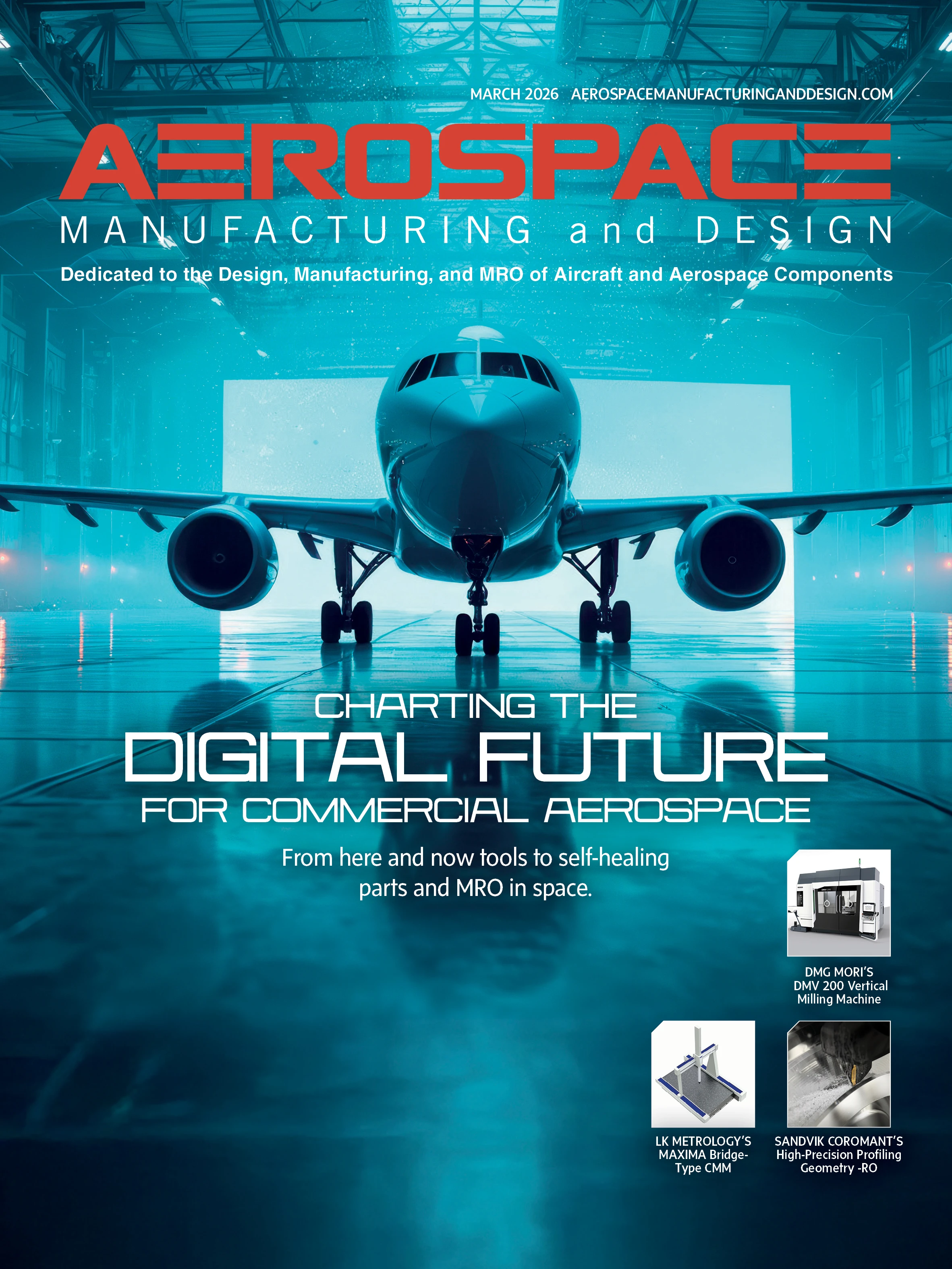
Explore the March 2026 Issue
Check out more from this issue and find your next story to read.
Latest from Aerospace Manufacturing and Design
- The Lee Company opens Innovation Center
- Precision XY gantry system
- Archer to test Starlink onboard its Midnight air taxis
- System eliminates cage-creep in sliding bearings
- Bodo Möller Chemie signs worldwide supply contract with Airbus
- Sandvik Coromant's CoroTurn Plus turning adapter
- ZOLLER Technology Days & Smart Manufacturing Summit May 13-14, 2026 in Ann Arbor, Michigan
- Walter's TC620 Supreme multi-row thread mill family